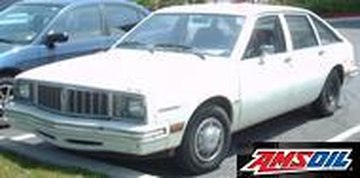
Engine Lubrication and Maintenance for the 1982 Pontiac PHOENIX 2.5L
Maintaining a vehicle from the early 1980s requires a shift in perspective compared to modern automotive care. For owners of a 1982 Pontiac Phoenix equipped with the 2.5L engine, routine service is not just about following a schedule; it is about monitoring the physical condition of aging components and ensuring that the lubrication system remains effective. Because mechanical parts and seals change over decades of use, proactive observation is often more valuable than strictly adhering to generic maintenance intervals.
Monitoring Fluid Integrity and Potential Seepage
One of the most effective ways to monitor the health of a 1982 Pontiac Phoenix engine is through regular visual inspections for fluid loss. Over time, various gaskets and seals may experience changes in their ability to maintain a tight barrier. Rather than assuming a specific component has failed, it is more practical to look for signs of seepage or active leaks around the engine block and sealing surfaces.
When performing an inspection, look for:
- Wetness or dark staining on the underside of various engine components.
- Accumulated grime that may be trapping oil near a potential leak site.
- Evidence of fluid residue on the ground beneath where the vehicle is parked.
If you notice changes in how much lubricant the engine seems to use between service intervals, this warrants closer investigation. It is important to remember that unusual symptoms can have multiple causes; for example, a change in oil consumption might be related to many different internal or external factors. Identifying these signs early allows for more controlled maintenance decisions.
Managing Aging Engine Components
As vehicles age, the materials used in their construction—such as rubber and various polymers—can undergo changes due to heat cycles and time. For a 1982 Phoenix, this means that components like hoses or belts (if equipped) should be inspected for signs of deterioration. If present, look for evidence of cracking, glazing, or fraying on accessible drive belts. Similarly, any visible hoses should be checked for softness, brittleness, or swelling.
Beyond the engine bay, maintaining a baseline of the vehicle's condition is helpful. If you do not have a complete service history for the 2.5L engine, your first priority should be to establish what has been done recently. This includes noting the last time fluids were changed and whether any major repairs were documented. Having this information helps distinguish between routine preventive maintenance and necessary repairs that arise from actual wear.
Observing Potential Warning Signs
While many issues can be caught during a visual inspection, some signs require more immediate attention. If you notice unusual mechanical noises or changes in how the engine operates shortly after a service, it is wise to investigate immediately. Similarly, any warning lights or indicators on the dashboard related to the lubrication system should never be ignored.
It is also useful to monitor the appearance of the lubricant itself during an oil change. While some level of darkening is expected as the oil works, extreme changes in texture or the presence of unusual contaminants can indicate that other systems may need attention. Always approach these symptoms with the understanding that they are indicators for further inspection rather than definitive diagnoses of a specific part failure.
Prioritizing Long-Term Engine Care
For long-term ownership, the most effective strategy is to prioritize maintenance based on the current condition of the vehicle rather than just its age. An engine that has been consistently maintained will have different needs than one with an incomplete service history. Owners should focus on addressing active leaks or any observed changes in fluid levels before moving on to more speculative preventive replacements.
Keeping a detailed log of all completed maintenance, including the specific products used and the dates of service, provides immense value. This record-keeping allows you to track patterns—such as how quickly certain fluids are consumed or how often specific components require attention. This data-driven approach helps in making informed decisions about whether to continue with current maintenance habits or to adjust them as the vehicle continues to age.
Effective Lubrication Strategies
The role of engine oil extends beyond simple lubrication; it is essential for managing heat and helping to control the buildup of deposits within the engine. For an older 2.5L engine, ensuring that the lubricant remains clean and effective is a primary maintenance goal. Some high-mileage oil formulations contain additives intended for use in aging engines, including seal-conditioning additives that may help maintain the integrity of various seals.
When considering different types of lubricants, such as conventional, synthetic blends, or full synthetics, it is important to focus on the quality and certification of the product. Modern oil standards are designed to provide excellent thermal stability and oxidation resistance, which can be beneficial for maintaining engine cleanliness over time. However, always ensure that any lubricant you select meets the necessary performance criteria for your specific application.
Practical Advice for Buying Engine Oil for a 1982 Pontiac PHOENIX 2.5L
When it is time to replenish your engine's lubrication, do not rely on general automotive knowledge or assumptions based on the vehicle's age to select a product. The most reliable way to ensure you are using the correct lubricant is to match the oil to the application-specific viscosity and information already displayed on this webpage.
Before making a purchase, follow these practical steps:
- Verify that the oil matches the specific viscosity requirements listed in the application information provided above.
- Check the product labeling to ensure it meets the appropriate API certification for your needs.
- Consider whether a high-mileage formulation is appropriate based on the current condition of your engine's seals and observed consumption levels.
- Always confirm that the container you are purchasing aligns with the technical specifications documented for this exact 1982 Pontiac Phoenix 2.5L.